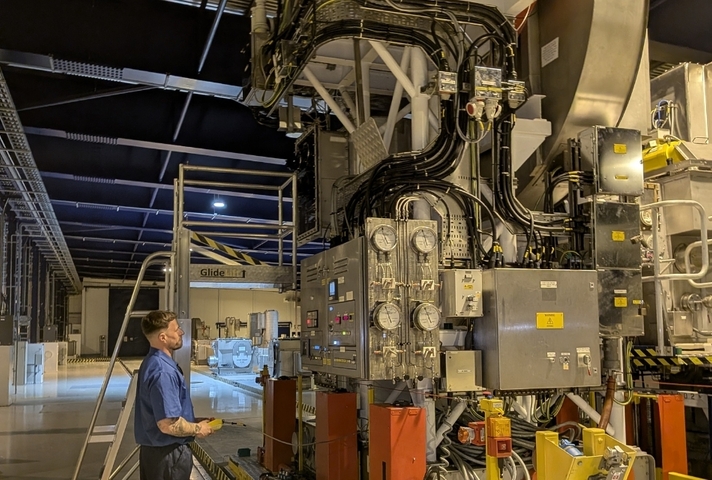
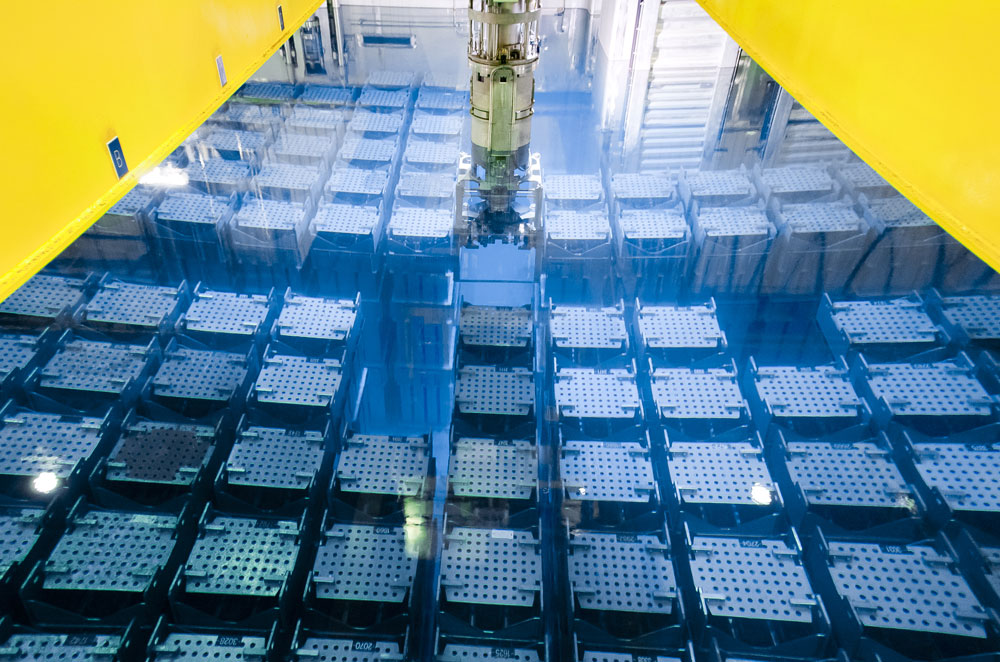
A landmark has been reached at Trawsfynydd, where two decades of decommissioning work have drawn to a close, clearing the most hazardous tasks and opening the next chapter. The Higher Activity Waste (HAW) programme, built around safely managing and storing the radioactive waste left behind by operations, is now complete.
Efforts centred on the most active material still present on site, a category known as intermediate-level waste, which sits between everyday low-level waste and the more hazardous high-level waste. The task involved pulling out legacy material, treating it and moving it into secure on-site storage built for the long term; close to 2,300 individual waste packages were finished.
The station at Trawsfynydd went up in the early 1960s and supplied electricity for close to three decades. It remains the UK's only inland nuclear power station, and since generation ceased the site has been devoted to dealing with the residues left behind and gearing up for longer-term decommissioning.
Completing the site's highest-hazard waste work removes a major risk at the UK's only inland nuclear power station and clears the way for the next decommissioning phase.
This article was generated by an automated RADWASTE pipeline from the cited public source and checked by a separate machine pass against that source text. It does not replace the original; verify every fact against the linked source.