For decades a large mound of radioactive waste stayed only a few metres from the Colorado river. It came from a former uranium-processing plant near Moab, in Utah. The removal is described as one of the large environmental cleanups in the US. Since 2009, trains have moved more than 17 million tonnes of uranium waste to a repository about 30 miles from the original site, so the material is farther from the river and less of a threat to the surroundings.
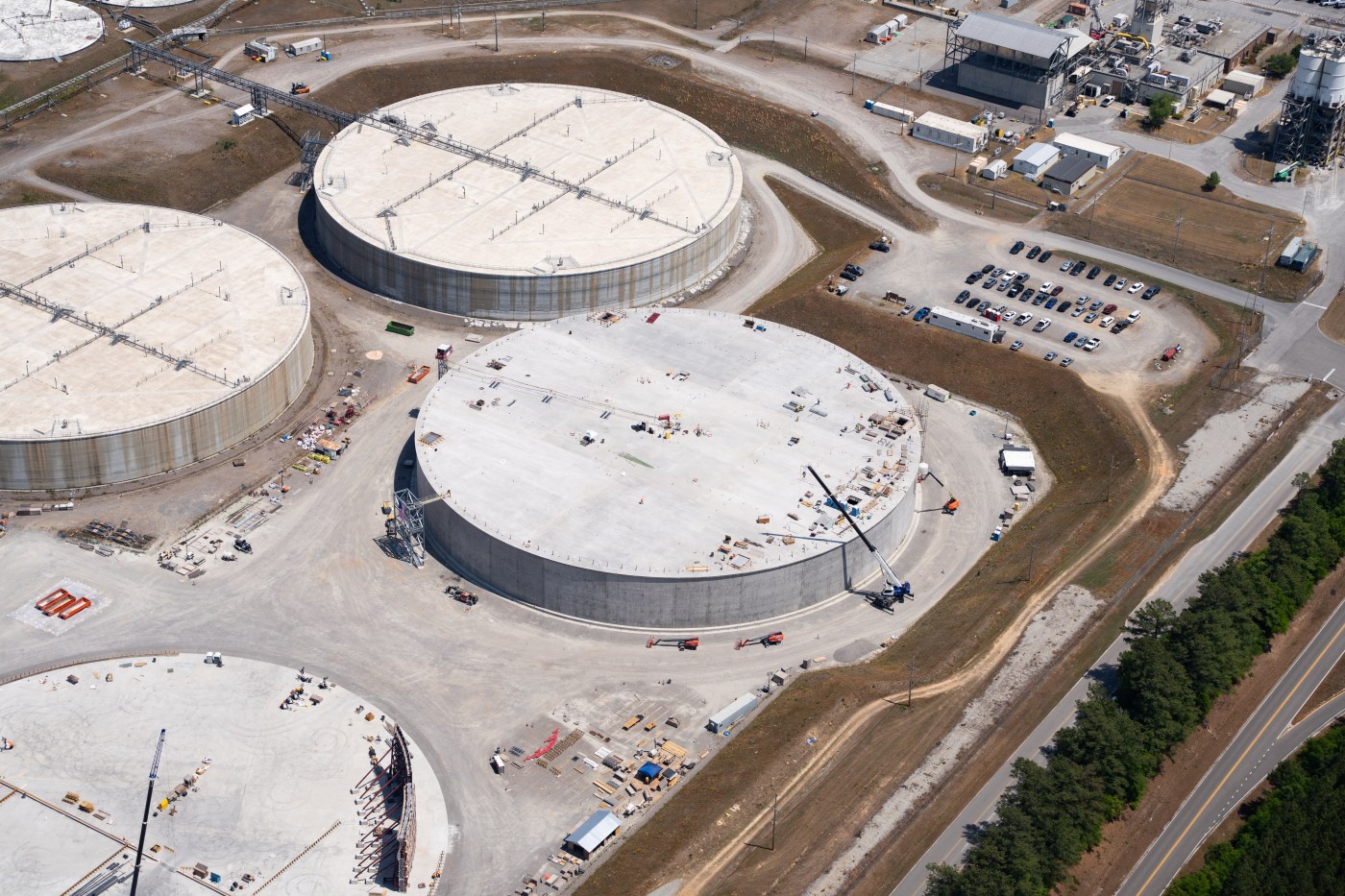
The problem goes back more than half a century. Operations at Moab began in 1956, while the uranium industry was expanding in the cold war, and it processed ore into uranium concentrate. The leftovers, called tailings, remained piled beside the river after the plant closed. Contaminants could reach groundwater, and the river's closeness made any shift of the material an environmental concern. Crews now remove the waste, prepare it and load it onto rail wagons for Crescent Junction. There it is placed in a facility built to isolate it and to reduce the chance that water or erosion will spread it. A caption on the report identifies that structure as the final disposal cell of the Moab uranium-mill tailings cleanup.
The tonnage already gone shows how much had stayed for decades beside a major river in the American west, but the work is not finished. The operation also includes restoring affected land and steps to control groundwater contamination. The US energy department expects to complete the main tasks in 2029. Until then, trains are to keep taking the old waste off the former site.
Rail shipments are moving a decades-old uranium-waste pile away from the Colorado river, with the main tasks still aimed at 2029.
This article was generated by an automated RADWASTE pipeline from the cited public source and checked by a separate machine pass against that source text. It does not replace the original; verify every fact against the linked source.