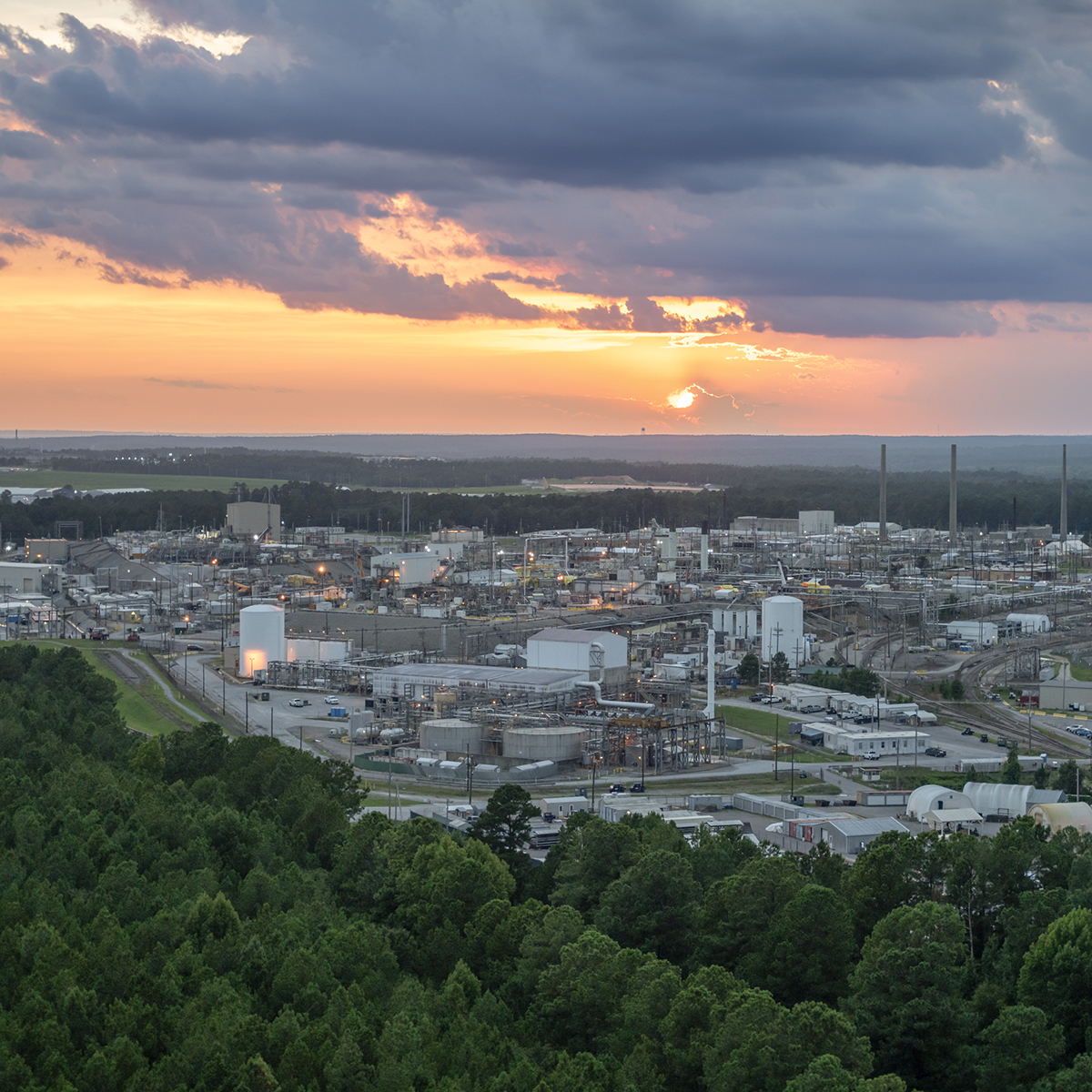
Sellafield Ltd has completed a complex removal of radioactive material from a legacy storage tank, which the site describes as a key risk reduction activity. The tanks, built in the 1950s, held a complex radioactive sludge known as flocculant, a by-product of early reprocessing operations.
Over time the material settled and compacted, increasing the technical difficulty of safe removal and continued storage. Teams devised a way to put the settled solids back into suspension, turning the material into sludge again so it could be transferred safely into a modern storage tank. That vessel is connected to Sellafield's Enhanced Actinide Removal Plant, where the material will be treated for safe, stable storage.
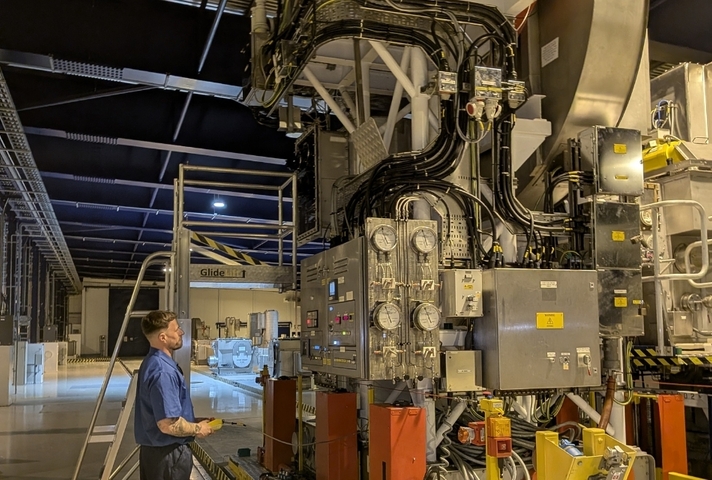
Engineers and operators recommissioned specialist resuspension equipment and rebuilt and tested the system to keep it running for long stretches. Water was added to the tank while specialist equipment mixed the contents around the clock for roughly three weeks, gradually breaking up the settled material until a uniform mixture formed. The approach enabled the removal of 1,302 cubic metres of flocculant, a volume larger than half an Olympic swimming pool.
Alan Prince, Head of Operations, said the work removes radioactive material from ageing infrastructure and gives it a clear treatment route. Two legacy tanks still stand and will be emptied using a comparable approach.
Retrieving waste from ageing tanks at Sellafield removes a long-standing risk and gives the material a clear route to treatment.
The story so far — Sellafield
- July 9, 2026 Sellafield says it is the only UK site able to manage all forms of nuclear waste
- July 10, 2026 Sellafield Teams Finish Complex Retrieval of Flocculant From Legacy Tank this story
- August 19, 2026 West Cumbria hub opens immersive room for Sellafield decommissioning
This article was generated by an automated RADWASTE pipeline from the cited public source and checked by a separate machine pass against that source text. It does not replace the original; verify every fact against the linked source.